English| EUR
Suggested for you
More currencies
Book Now
Open today · 00:00–23:59

Horseback Riding Antigua Volcano

Horseback Riding Antigua Volcano — Saddle Up for Volcanic Trails

Ride through lava fields and highland forests, where ash meets colonial legacy

50K+ travelers chose this
Free Cancellation
Right now: Light — weekday morning Ensure you follow local operator guides when departing for horseback riding antigua volcano tours.
Free Cancellation
Instant confirmation Mobile voucher Free cancellation Verified partner Book now, pay later
0 USD
Entry Fee
Free beach and fort access
24/7
Opening Hours
Open every day of the week
08:00–11:00
Best Arrival
Avoid heat and cruise crowds
St. John's
Location
Fort James Beach address
Choose your ticket

Horseback Riding Antigua Volcano tickets at a glance

Compare fares, pick the fit — all bookings are mobile-voucher and eligible for free cancellation where shown.

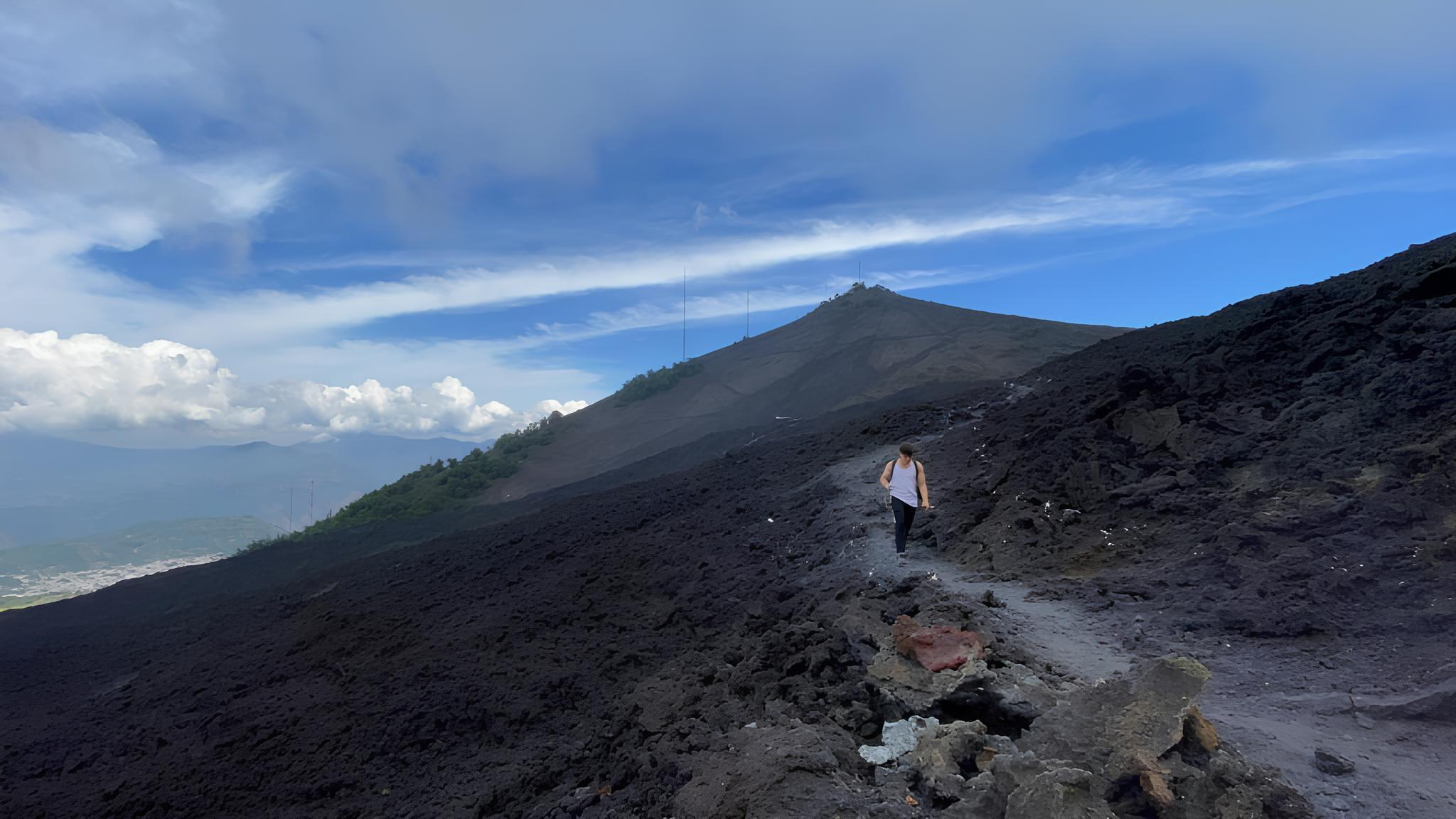
Pacaya Volcano Hiking Adventure from Antigua 6 hr
Guided Experience

Pacaya Volcano Hiking Adventure from Antigua

4.5 (1316)
$23
  • Expert local guide
  • Small group
  • Skip-the-line access
  • Free cancellation
Book this ticket
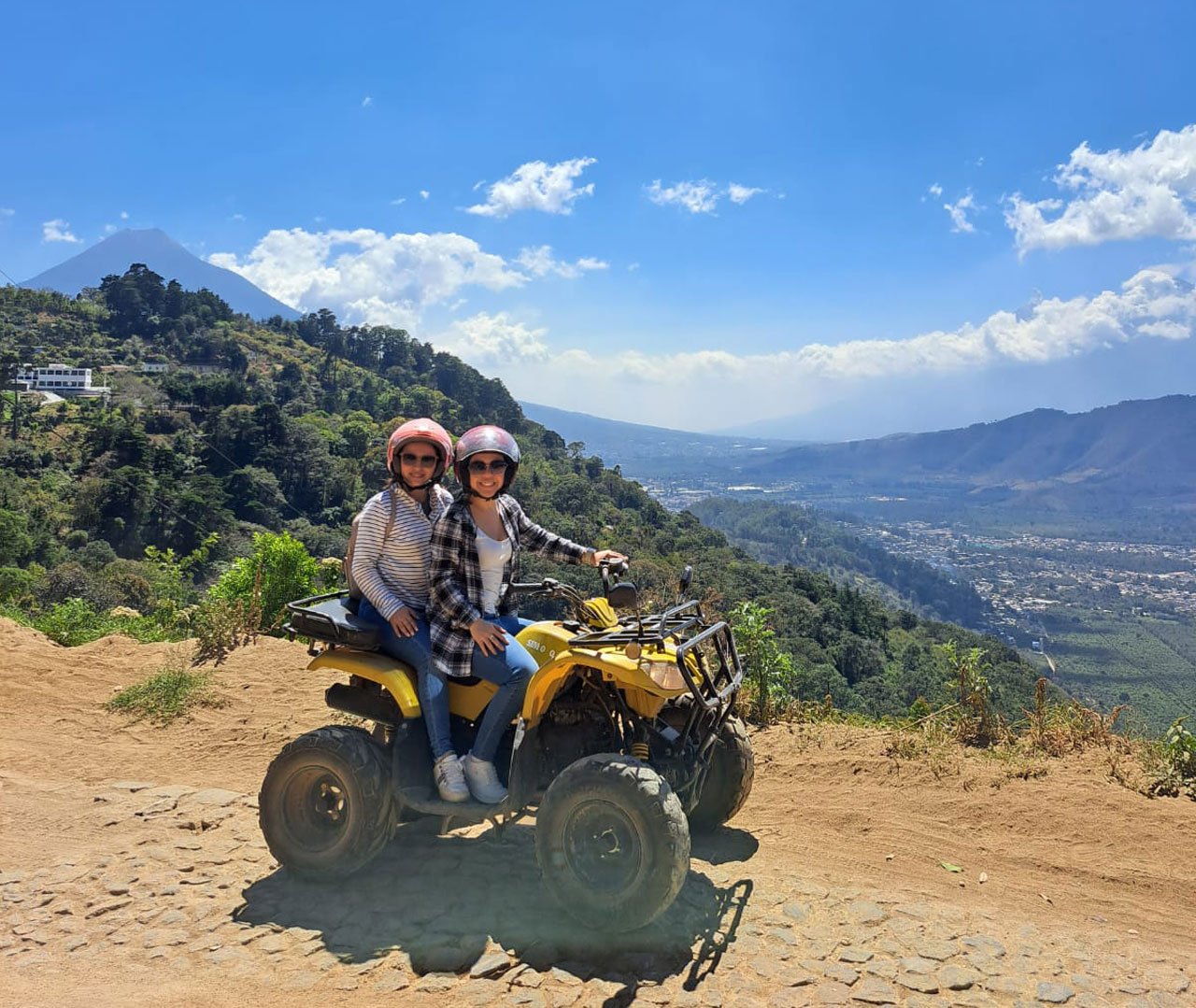
ATV Mountain Adventure with Hobbitenango Eco-Park 6 hr
Guided Experience

ATV Mountain Adventure with Hobbitenango Eco-Park

4.8 (400)
$69
  • Expert local guide
  • Small group
  • Skip-the-line access
  • Free cancellation
Book this ticket
Compare options

Compare Horseback Riding Antigua Volcano ticket options

Visitors seeking to enjoy horseback riding antigua volcano tours should note that while historic Fort James Beach offers scenic coastal rides, no volcanic terrain exists at this beach location. Travelers interested in inland volcanic trail excursions should book separate specialized tours, as beach outings focus exclusively on shorelines and 18th-century ruins.

Top pick
Beach & History Ride Full Experience Tour
Volcanic Trail Ride Inland Adventure
Location Pacaya Volcano (Guatemala)
Terrain Type Ash and hardened lava
Historical Focus Local volcanic history
Water Interaction Marshmallow lava roasting
Transportation Pickup from Antigua City

Verdict: Choose the beach horseback riding antigua volcano tour variation for coastal relaxation, or book the inland trail version for active volcanic exploration.

Is Horseback Riding Antigua Volcano worth it?

Worth it for volcano trekkers, not beach riders

Searching for horseback riding antigua volcano experiences leads here, but Fort James Beach itself offers no horseback or volcanic terrain—it's a flat coastal site with free access to sand and 18th-century fort ruins. The real value lies inland: the Pacaya Volcano Hiking Adventure delivers active lava flows and volcanic trails, while the two-day Acatenango summit trek provides sunrise views over erupting Fuego. Both tours depart from Antigua Guatemala, an hour from any beach. If you arrived expecting oceanside horseback riding antigua volcano tours, redirect to these highland trail rides instead. Fort James remains excellent for quick fort exploration and calm swimming, but volcano access requires booking one of the inland hiking options above.

What makes it worth it

  • Pacaya and Acatenango offer genuine volcanic terrain
  • Free beach access with historical fort ruins
  • Highland tours include expert guides and safety gear
  • Multiple difficulty levels from half-day to summit treks

Keep in mind

  • No horseback riding available at Fort James Beach
  • Volcano tours require travel to inland Antigua
  • Beach lacks volcanic features entirely

Bottom line: Book the inland Pacaya or Acatenango horseback riding antigua volcano tickets for the authentic experience this search demands.

Head to head

Horseback Riding Antigua Volcano vs Hiking Pacaya: Which Experience Suits You?

The beach-based horseback riding antigua volcano tour offers a relaxed coastal experience, while the Pacaya hiking adventure provides a demanding inland trek; most visitors find the hiking route more physically intense. Booking these horseback riding antigua volcano tours requires deciding between oceanfront leisure and rugged mountain terrain.

Top pick
Fort James Riding
Pacaya Hiking
Physical exertion level High (strenuous)
Pace of ascent Steep/Vertical
Age and mobility requirements High (fitness required)
Ability to carry equipment Minimal (climbing gear)
Degree of interaction with the terrain Direct contact/Geothermal exposure

Verdict: Choose the horseback riding antigua volcano tickets if you prefer a scenic, low-impact outing, whereas the volcano trek is better suited for those seeking a challenging fitness-oriented excursion.

Featured Experiences

Popular Horseback Riding Antigua Volcano tours & activities

Hand-picked experiences loved by thousands of travelers

Recommended Experience

Powered by GetYourGuide

Another traveler favorite

Powered by GetYourGuide
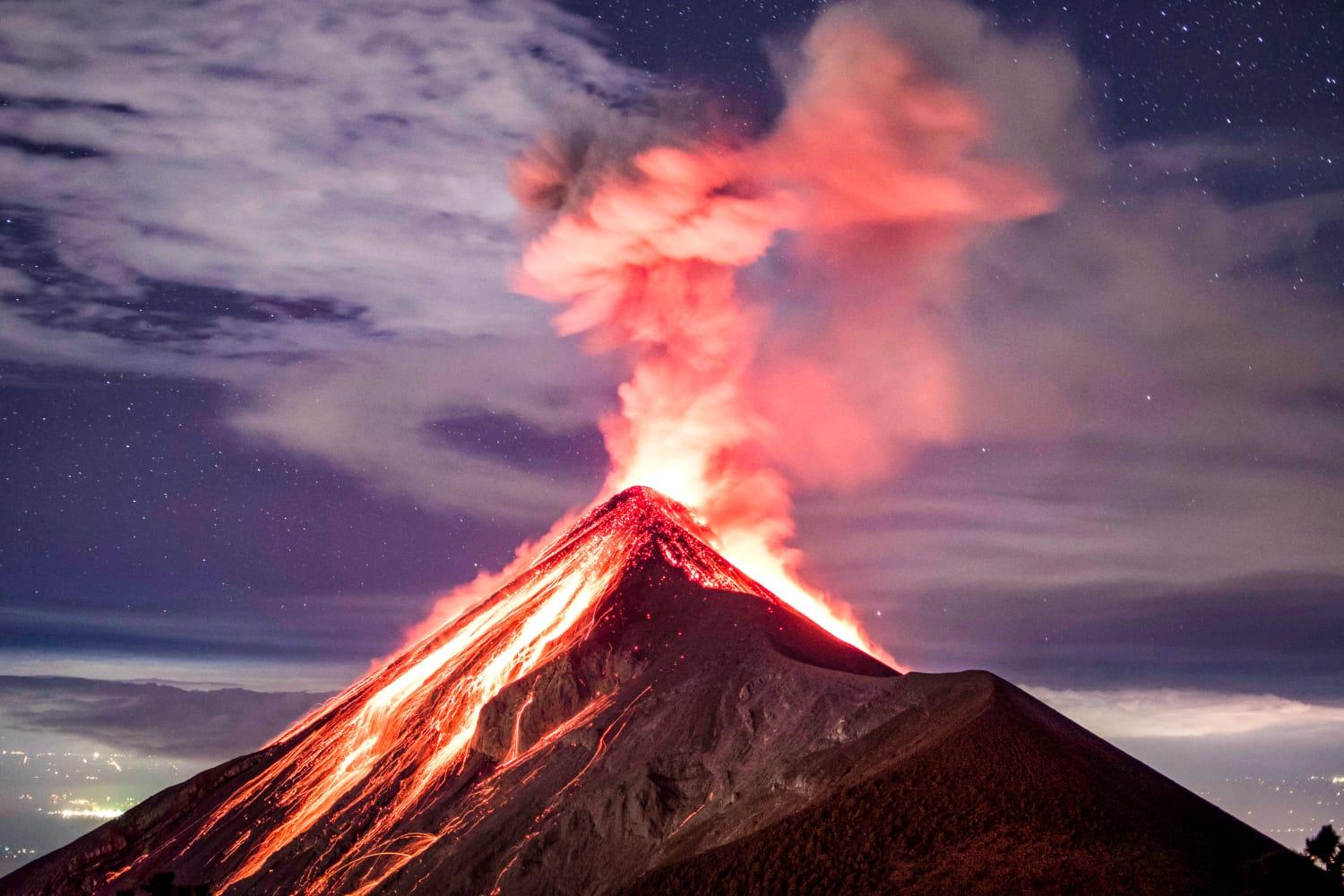
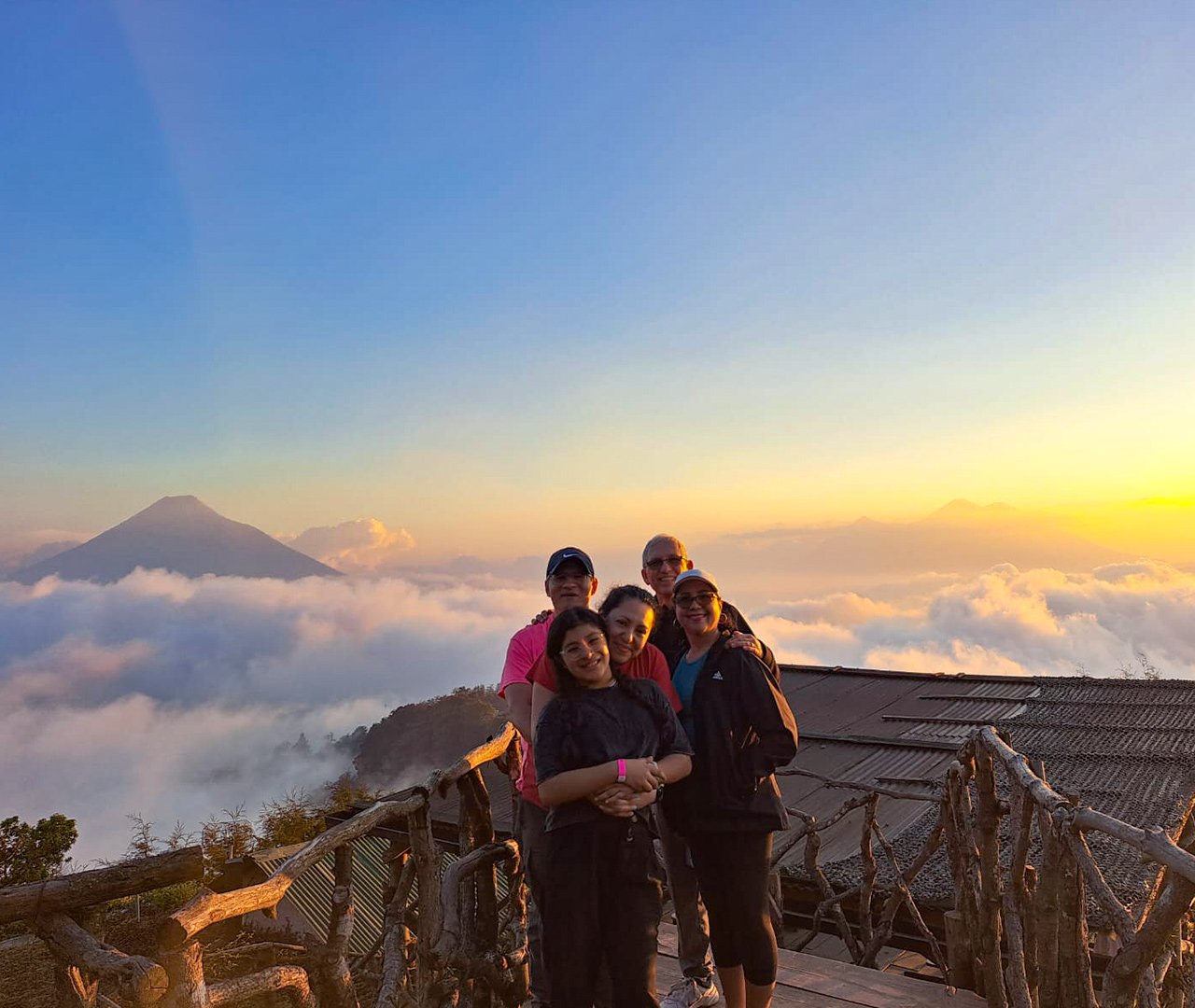
Acatenango Volcano 2-Day Summit Trek from Antigua 2 days Free Cancellation

Acatenango Volcano 2-Day Summit Trek from Antigua

Scale one of Guatemala's highest peaks and camp overnight with front-row views of erupting Fuego

4.4 (1691)
FromFrom $57
See details
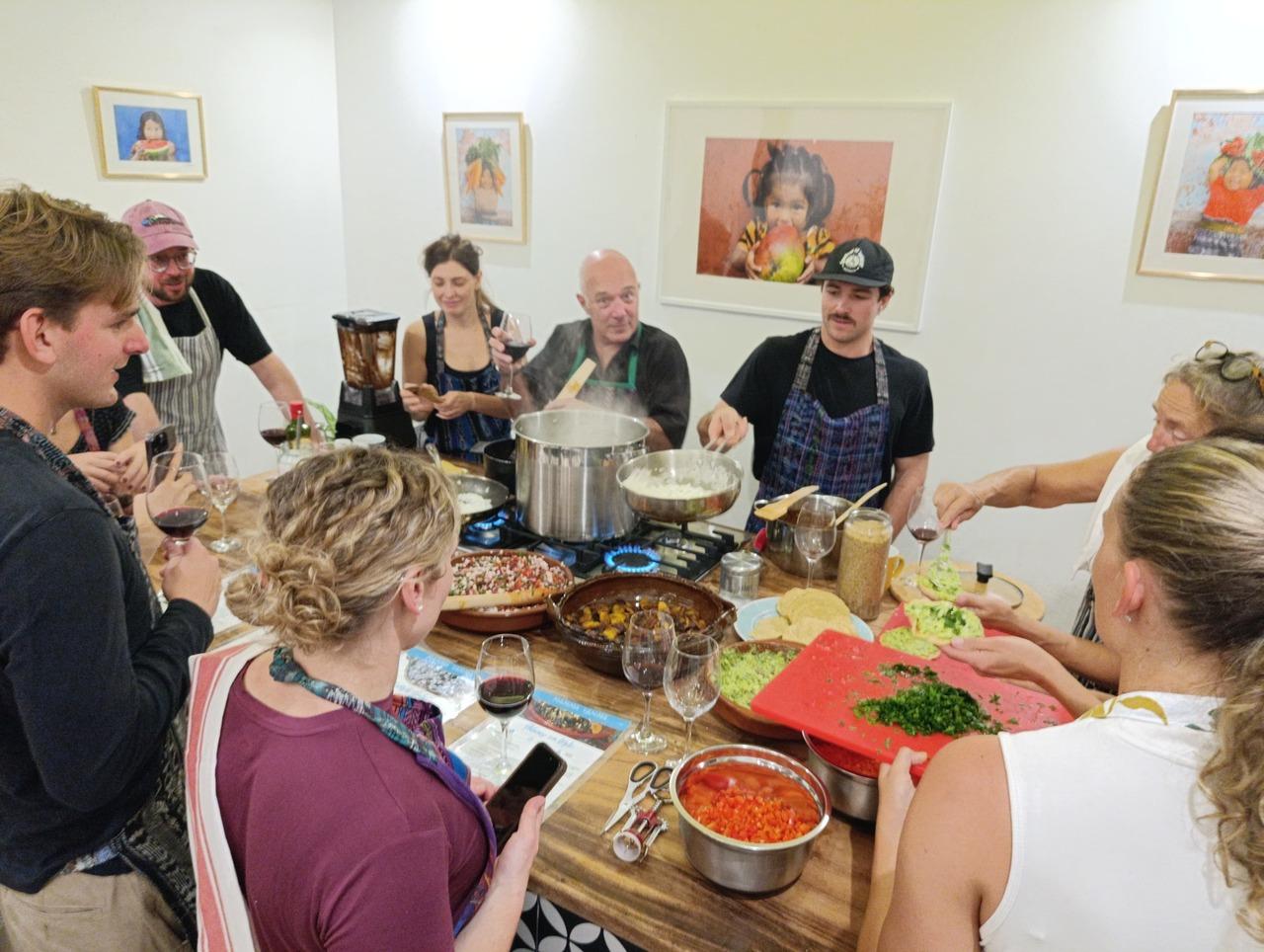
Authentic Guatemalan Cooking Class with Chef David Farfán 3 hours Free Cancellation

Authentic Guatemalan Cooking Class with Chef David Farfán

Master traditional Guatemalan cuisine in a hands-on class at Mamma Yama Cooking School in historic Antigua

4.9 (171)
FromFrom €32.71
See details
ATV Sunset Adventure to Hobbitenango 5 hours Free Cancellation

ATV Sunset Adventure to Hobbitenango

Explore mountain viewpoints by ATV and watch the sunset at a magical Lord of the Rings-themed park

4.8 (267)
FromFrom €55.95
See details
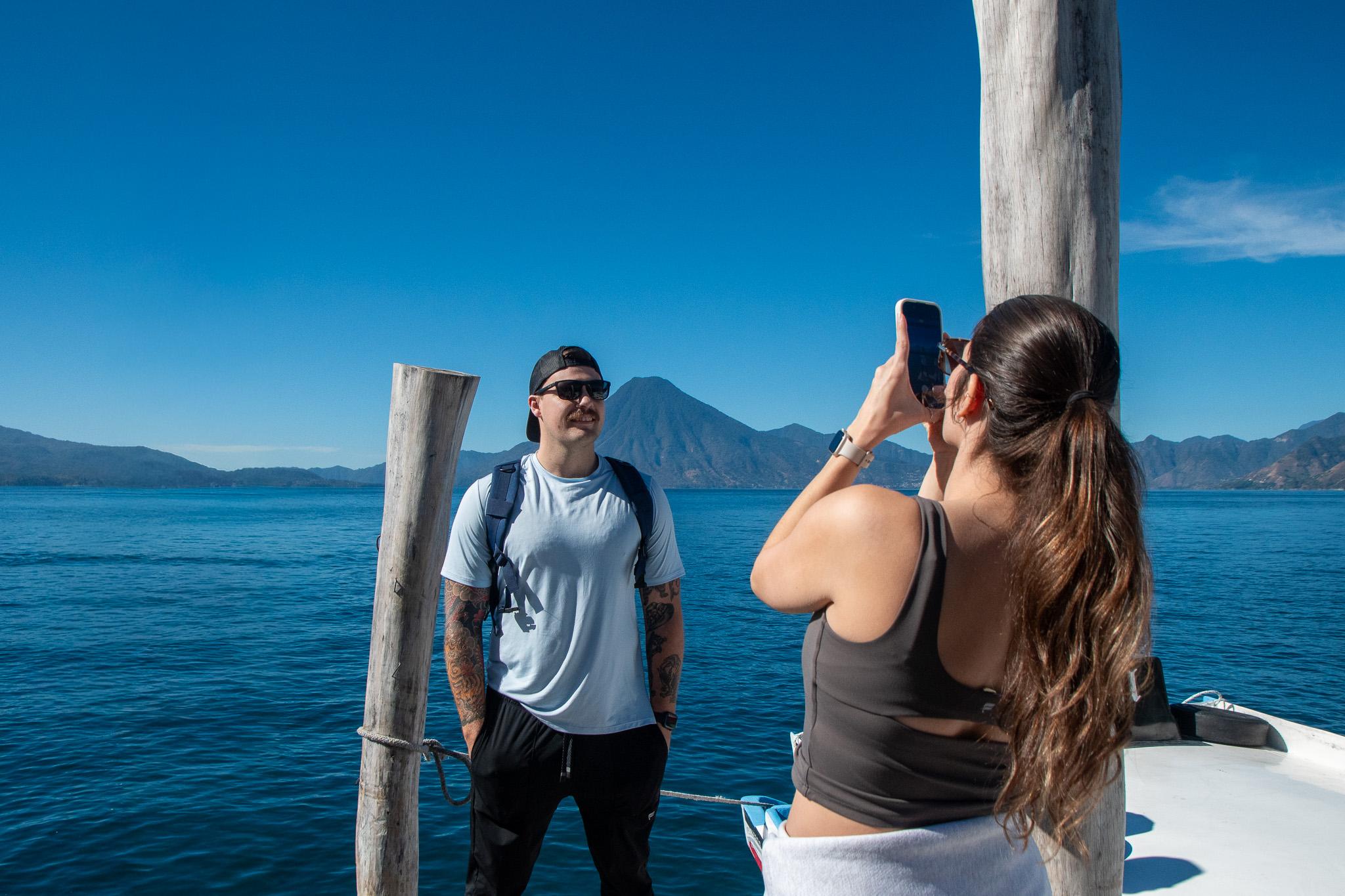
Lake Atitlán Villages Full-Day Tour from Antigua 14 hours Free Cancellation

Lake Atitlán Villages Full-Day Tour from Antigua

Discover Guatemala's stunning lakeside communities with volcano views, cultural immersion, and local traditions

4.7 (549)
FromFrom €81.78
See details
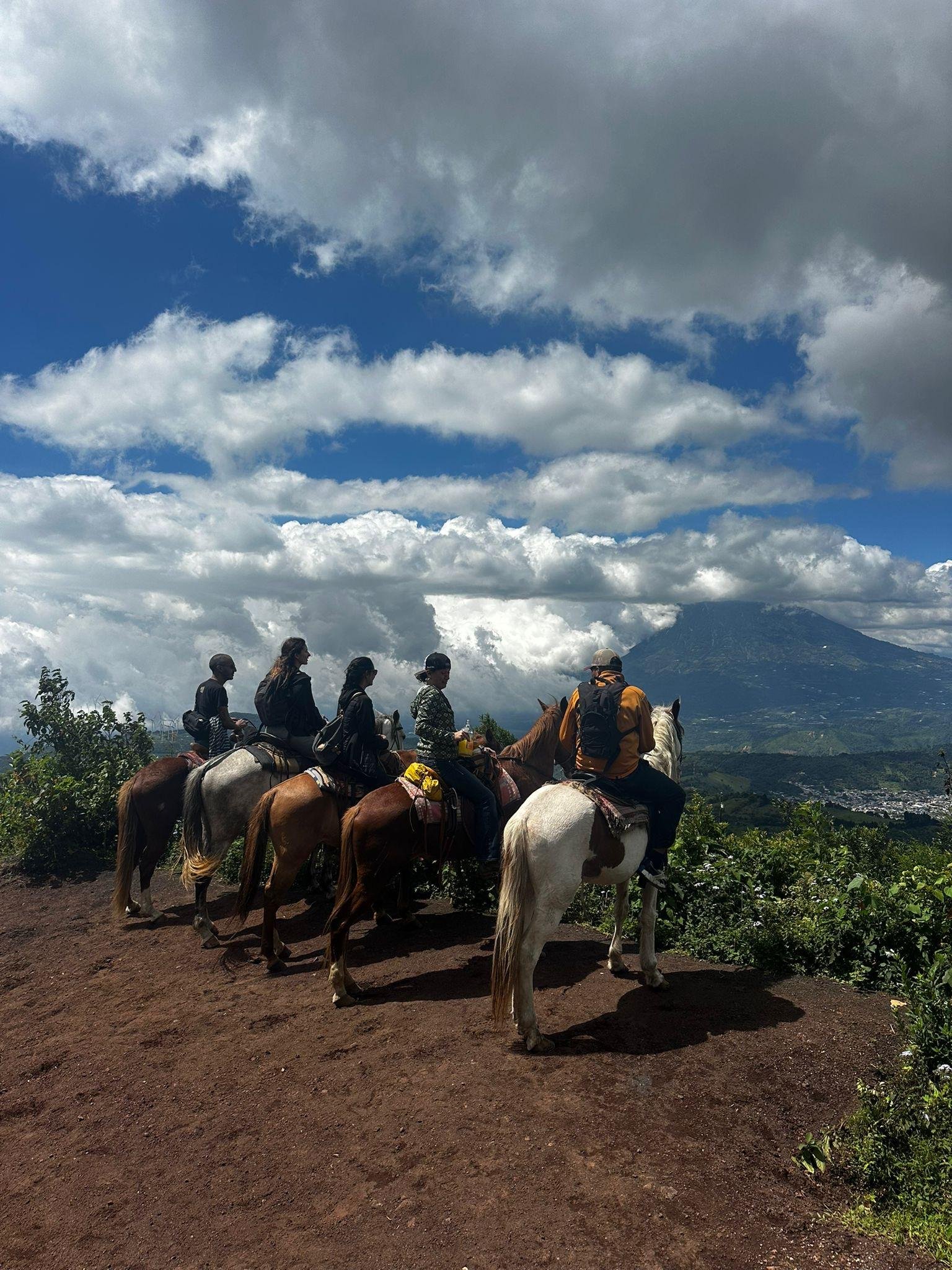
Horseback Ride to Pacaya Volcano Summit 6 hours Free Cancellation

Horseback Ride to Pacaya Volcano Summit

Ascend an active volcano on horseback to 2,550 meters, roast marshmallows over lava heat, and witness eruptions

5 (10)
FromFrom €208.31
See details
Pacaya Volcano Horseback Adventure with Volcanic Pizza 6 hours Free Cancellation

Pacaya Volcano Horseback Adventure with Volcanic Pizza

Ride horses up an active volcano, dine on lava-cooked pizza, and roast marshmallows over steaming vents

5 (21)
FromFrom €229.25
See details
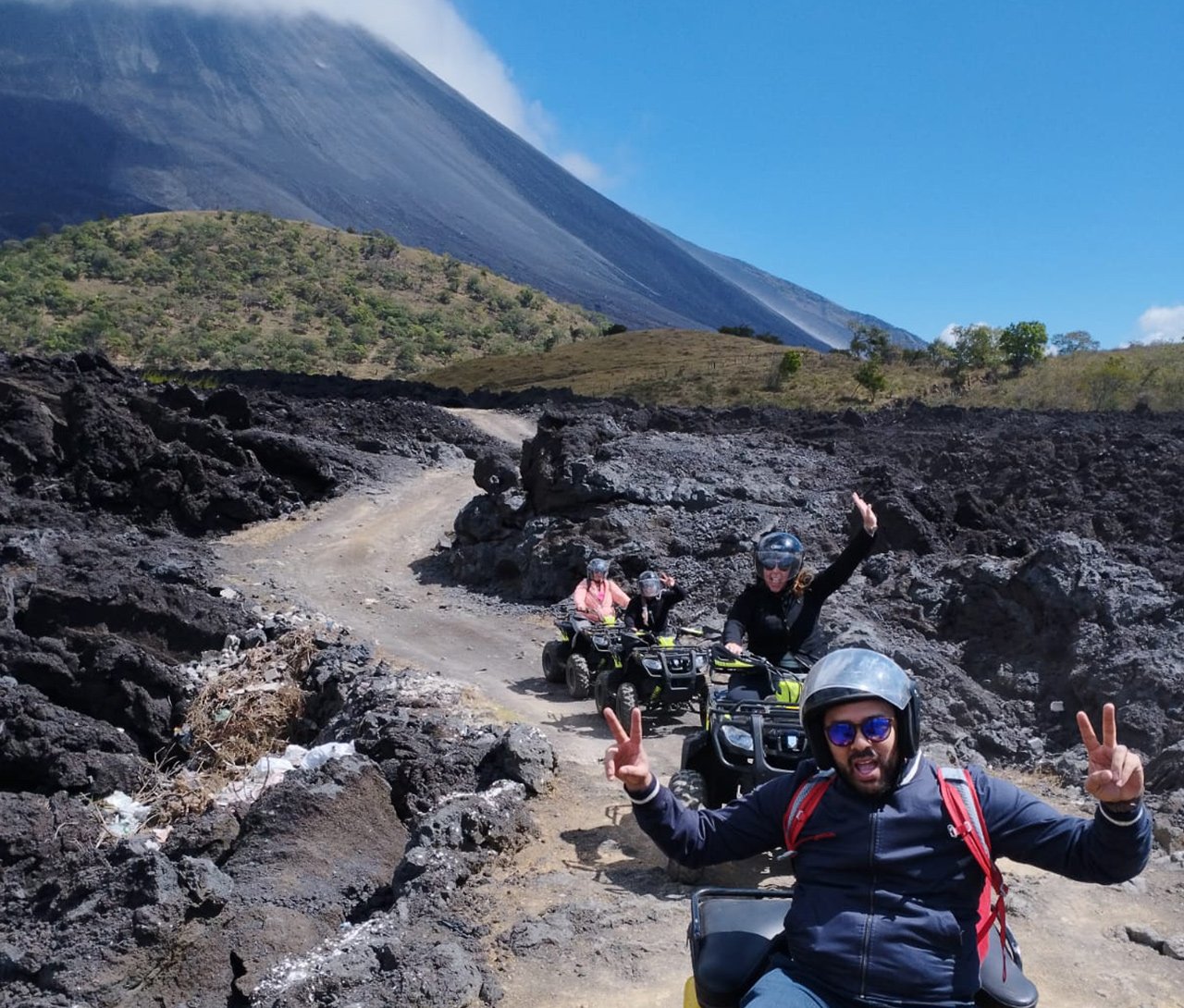
Pacaya Volcano ATV Expedition from Antigua 7 hours Free Cancellation

Pacaya Volcano ATV Expedition from Antigua

Navigate volcanic terrain on a thrilling quad bike journey to one of Guatemala's most active volcanoes

4.7 (167)
FromFrom €107.6
See details
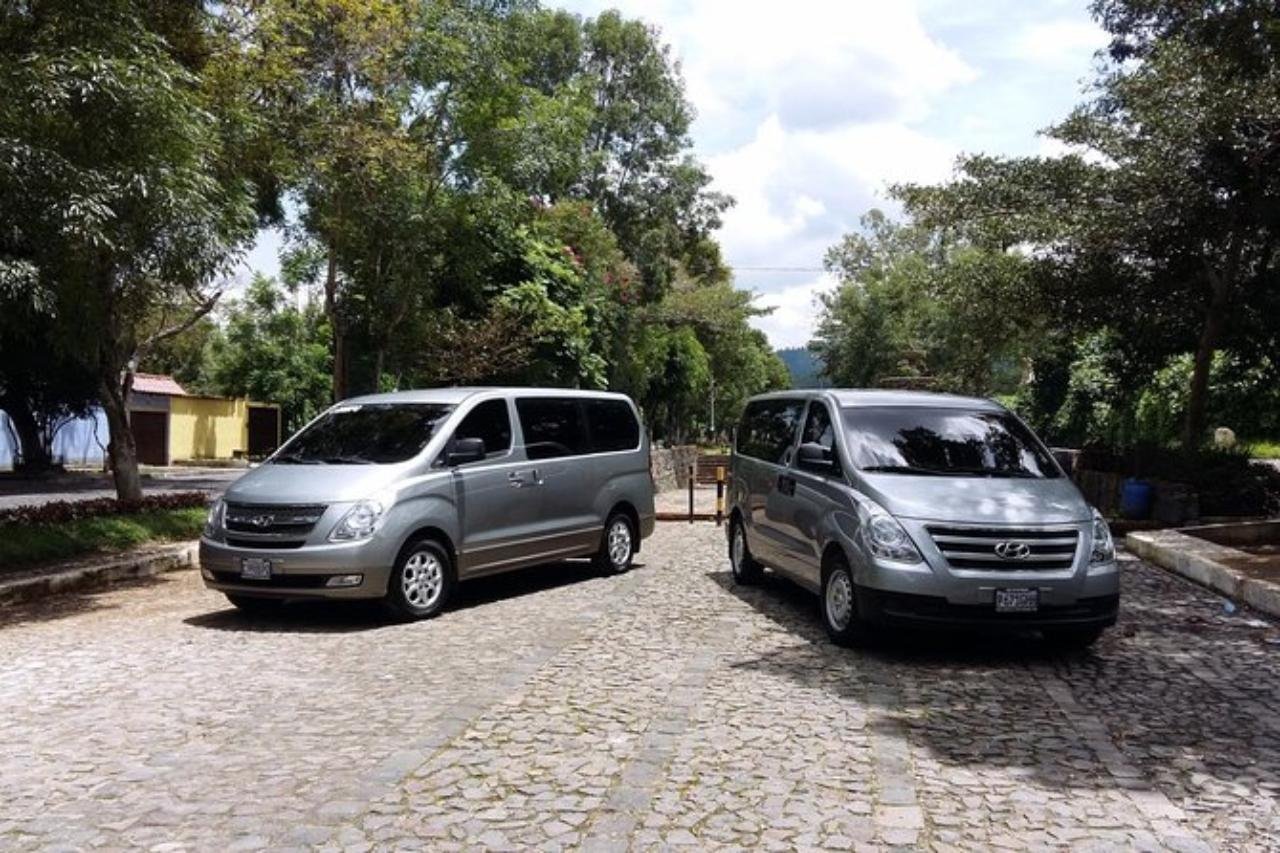
Private Airport Transfer: Guatemala City to Antigua 1.5 hours Free Cancellation

Private Airport Transfer: Guatemala City to Antigua

Skip the taxi hunt with a dedicated driver waiting at the airport to whisk you to Antigua in comfort

5 (271)
FromFrom €25.82
See details
What you'll see

What you'll see at Horseback Riding Antigua Volcano

Fort James Ruins

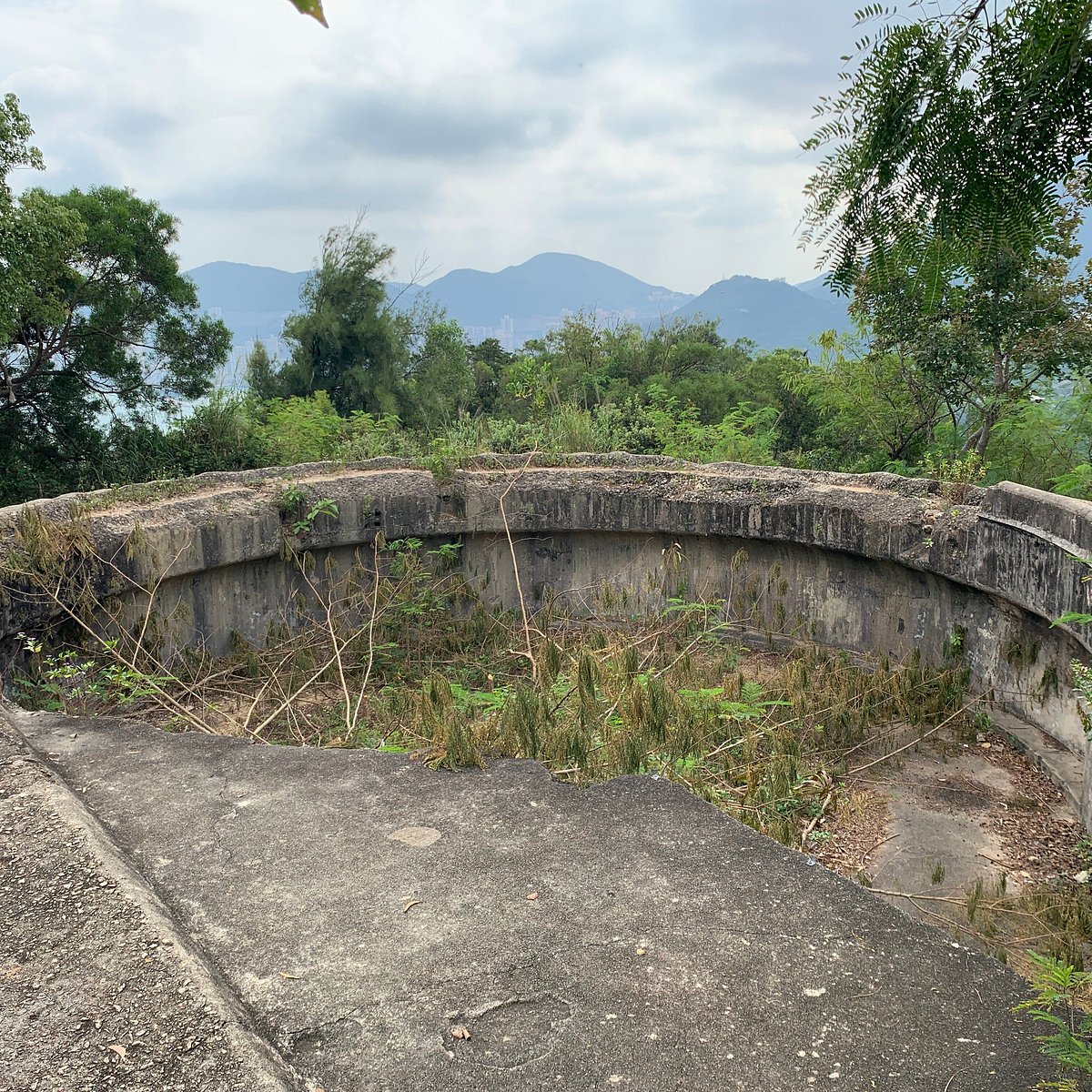
Historic stone remnants overlooking the bay, providing a backdrop for the horseback riding antigua volcano experience.

Tropical Forest Trails

Dense inland paths featuring volcanic rock formations and local flora unique to the region.

Scenic Ridge Lookout

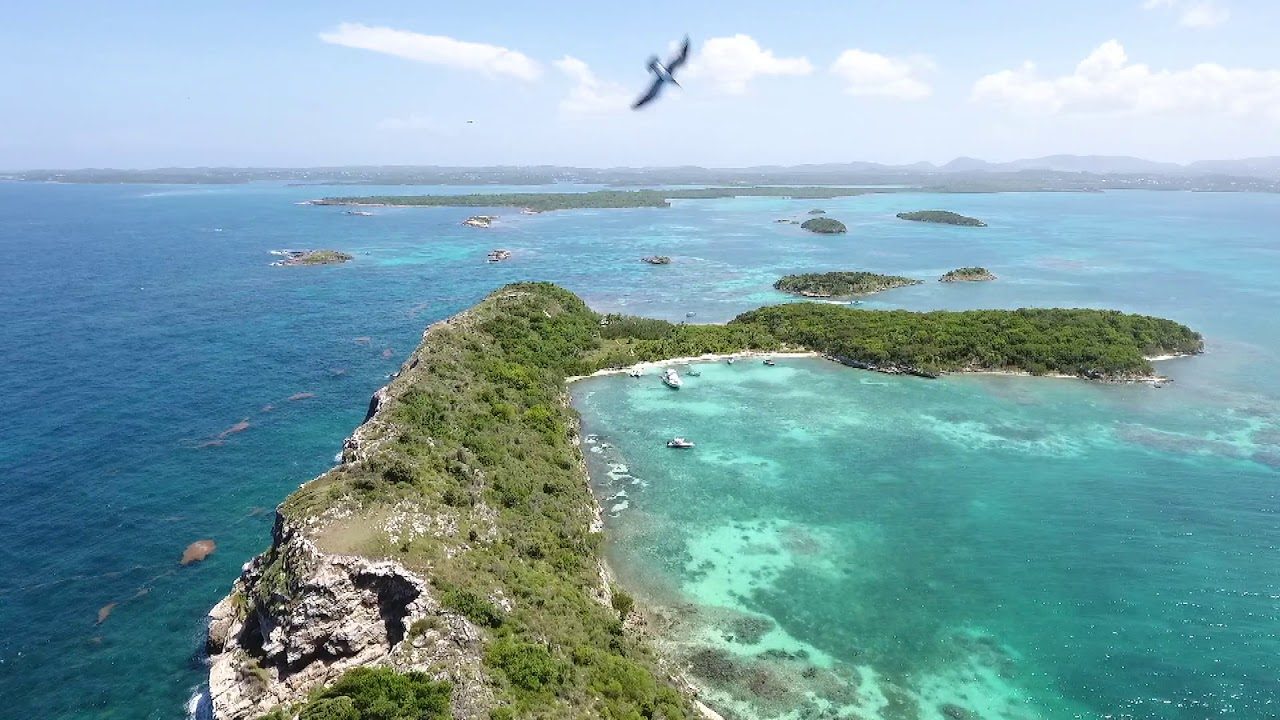
A vantage point offering views of the volcanic landscape and surrounding island terrain.

Coastal Trailhead

The starting point where riders transition from the beach to the inland volcanic paths.

Stable Interaction Area

A dedicated space to meet the horses and learn about their care before the ride.

The experience

What visiting Horseback Riding Antigua Volcano is really like

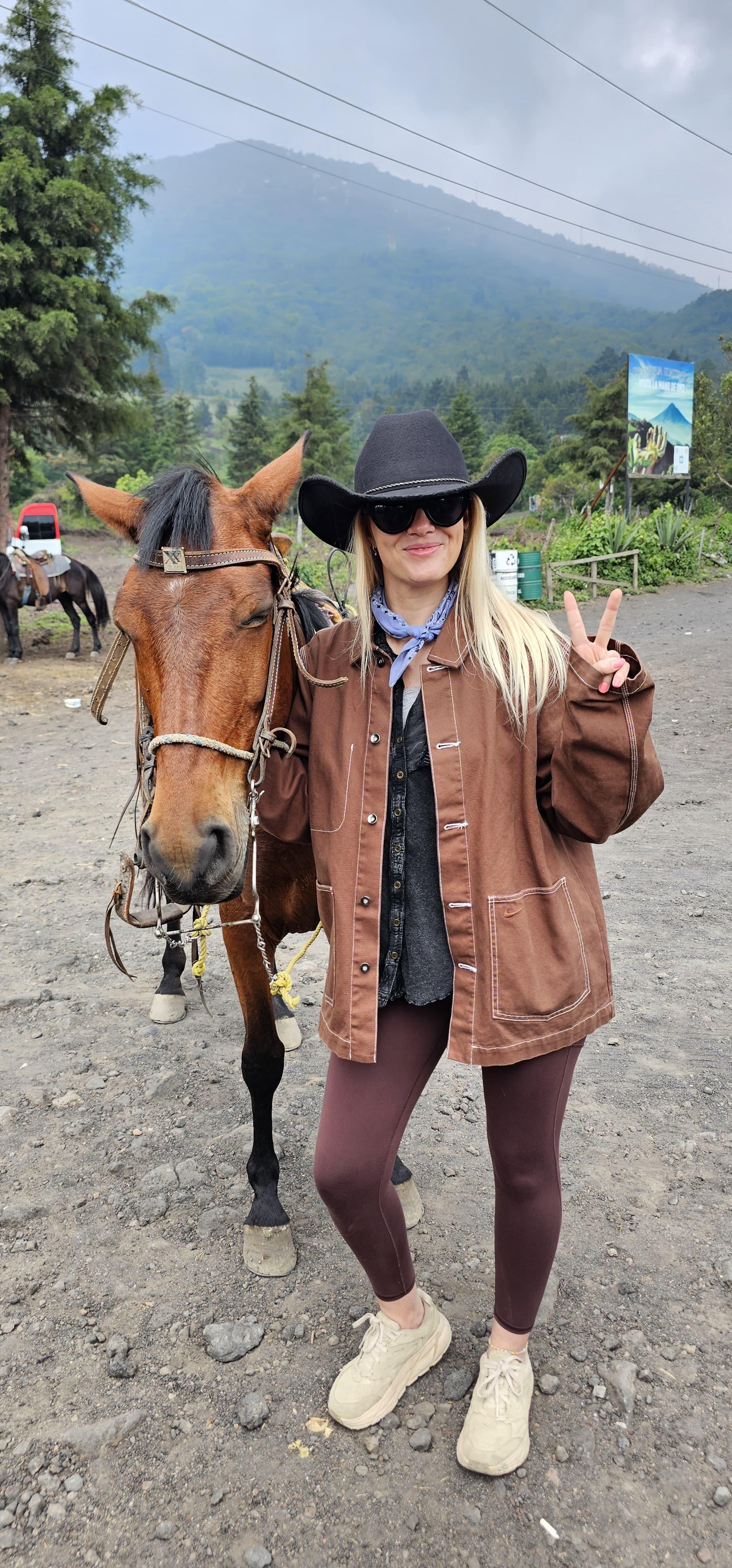
You meet your guide before sunrise at a highland village where wooden corrals lean against cinder-block homes. Your horse—a compact bay with a blaze—stands fifteen hands, already saddled in worn leather.

Read more Show less

You mount from a stone block, adjust stirrups, and follow the guide uphill along a dirt track that turns to gravel, then ash.

The trail climbs steadily through coffee rows, the canopy thinning as you rise. Pacaya's cone materializes ahead, gray and treeless, venting a thin steam plume. Your horse knows the route; you give it rein and focus on balance as the incline steepens. At the forest margin you pause to tighten the girth, then continue into open scree where hoofbeats crunch on volcanic glass.

Near the ash plain you dismount and walk the horse to a tether line. The guide hands you a walking stick and points toward a dark ridge—yesterday's lava flow, still warm. You hike the final hundred meters on foot, boots sinking in soft pumice, and stand at the flow's edge. The ground radiates heat through your soles. You prod the crust; it flexes, honeycomb-hollow. Sulfur stings your nostrils. Behind you, the horses wait in shadow, tails flicking, indifferent to the geological drama.

You return to the saddle and descend at a faster clip, the horse eager for lower ground. By the time you reach the village, the sun is high and the volcano has receded into haze. You dismount, legs stiff, and the guide offers water from a plastic jug. Ash clings to your boots. The ride is over; Antigua awaits.

Horseback Riding Antigua Volcano
Everything You Need to Know

Your complete Horseback Riding Antigua Volcano guide

All the details about your upcoming adventure in one place

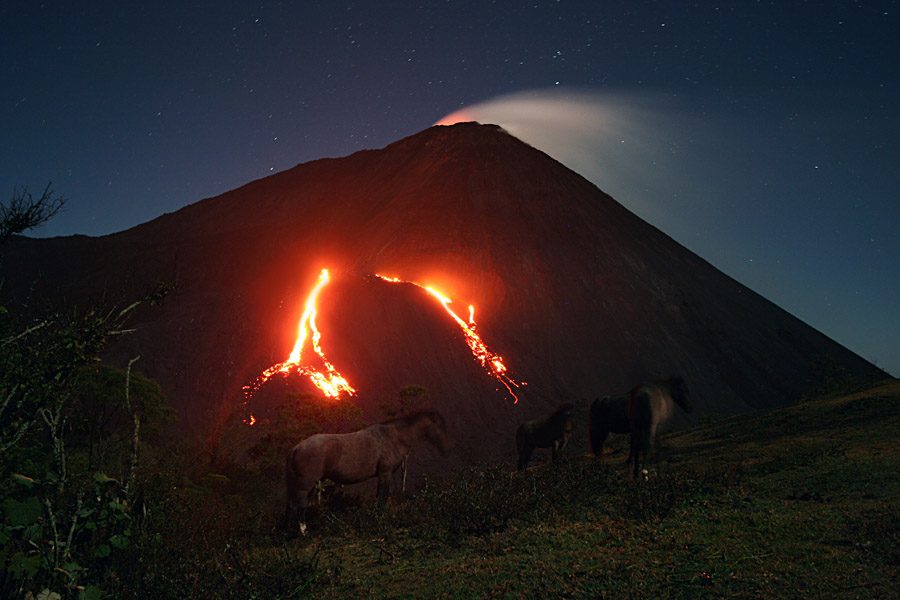
Pacaya Volcano has erupted more than forty times since Spanish colonizers first recorded its activity in 1565, yet horseback routes along its northern flanks remain open year-round, offering riders a rare vantage of an active caldera without the slog of summit hikes.

The trails depart from highland villages southeast of Antigua Guatemala, where Kaqchikel communities have bred hardy criollos—compact horses descended from Spanish stock—for centuries. These animals navigate volcanic scree and loose tephra with an economy of movement urban stables cannot replicate.

Today, horseback riding Antigua volcano excursions serve dual purpose: they provide income for rural families whose maize fields yield less each year as ash blankets topsoil, and they grant visitors access to geothermal vents, petrified lava tongues, and cloud-forest ridges that four-wheel vehicles cannot reach. Guides—many of them third-generation horsemen—know which arroyos flood during rainy season, which switchbacks collapse after tremors, and where fumaroles vent sulfur hot enough to blister skin. This is not recreational trotting; it is working knowledge transmitted through lineage, adapted to a landscape that reshapes itself every few years.

The volcanic cordillera surrounding Antigua includes three major peaks: Agua, dormant since the Spanish conquest; Acatenango, a twin-summit stratovolcano visible from the city's central plaza; and Pacaya, the youngest and most volatile. Horseback routes typically approach Pacaya from the north, ascending through coffee plantations and pine stands before breaking into the ash plain—a monochrome expanse where vegetation thins and the horizon opens. Riders often dismount near the 2,500-meter contour to walk the final approach to recent lava flows, still radiating heat months after eruption. The horses wait, tethered in shade, while visitors probe crusted magma with walking sticks.

Antigua itself—a UNESCO World Heritage city rebuilt after the 1773 earthquake—serves as the logistical hub for volcano excursions, though the actual riding occurs ten to fifteen kilometers southeast, beyond the Panchoy Valley. Outfitters coordinate transport from colonial guesthouses to trailheads, where saddled horses stand ready at dawn. The ride itself lasts three to five hours, depending on route and pace, with elevation gain of roughly 800 meters. Riders return by midday, ash-dusted and smelling of horse sweat, as Antigua's cobblestone grid resumes its unhurried rhythm. The volcano smolders on, indifferent, its next eruption already forming in chambers no rider will see.


These animals navigate volcanic scree and loose tephra with an economy of movement urban stables cannot replicate.

Dress code

Long trousers and closed-toe shoes are required for all inland horseback riding antigua volcano excursions to protect against brush and heat. Avoid loose jewelry that may snag during your horseback riding antigua volcano tickets experience.

Bags & security

Keep belongings minimal as there is no secure storage for horseback riding antigua volcano visitors. Small crossbody bags are recommended for necessary items during the horseback riding antigua volcano tour.

Photography

Photography is permitted throughout the trail, though guests must secure equipment during horseback riding antigua volcano rides. Do not use flash near the horses.

Families & strollers

Children must meet minimum age and weight requirements set by the stables. Adult supervision is mandatory for minors during all horseback riding antigua volcano tours.

Accessibility

The volcanic trails are rugged and not suitable for guests with limited mobility. Please disclose all physical limitations before booking horseback riding antigua volcano tickets.

Food & drink

Carry sufficient water in a reusable bottle for the trail. Consuming alcohol before or during horseback riding antigua volcano is strictly forbidden for rider safety.

Not allowed

× Drones × Alcohol × Large backpacks × Glass bottles × Professional camera tripods × Open-toe sandals × Sharp objects × Umbrellas × Portable speakers

What to bring

✓ Sunscreen ✓ Sunglasses ✓ Water bottle ✓ Bug spray ✓ Closed-toe footwear ✓ Small personal ID

Opening hours

Mon 00:00–23:59
Tue 00:00–23:59
Wed 00:00–23:59
Thu 00:00–23:59
Fri 00:00–23:59
Sat 00:00–23:59
Sun 00:00–23:59

How to get there

At a glance

Opening Hours

00:00–23:59

Address

Fort James Beach, St. John's, Antigua and Barbuda

Accessibility

Beach terrain varies

Best Arrival Window

08:00–11:00

Storage

Not available on-site

Entrance Fee

0 USD

Getting there

Taxi · 10 minutes · 15-20 USD

Direct transfer from St. John's harbor to Fort James Beach

Cancellation policy

Bookings for the horseback riding antigua volcano tour are subject to specific operator terms. Full refunds are typically provided if cancellation occurs at least 48 hours in advance.

Plan your time

Planning Your Horseback Riding Antigua Volcano Trip Duration

Recommended time

4-6 hours

A comprehensive horseback riding antigua volcano trip requires roughly 4-6 hours to account for coastal trail exploration and stable preparation. Visitors often seek out these inland volcanic trail rides as an alternative to the standard shoreline experience, ensuring sufficient time to navigate the terrain. When booking your horseback riding antigua volcano tours, allow for transit and safety briefings that precede the actual riding phase. Managing your schedule around cruise ship arrivals helps maintain a quieter pace for your horseback riding antigua volcano tickets while exploring historical landmarks near the coastline.

Crowd levels through the day

08:00–10:00 Light
10:00–12:00 Moderate
12:00–14:00 Peak
14:00–16:00 Moderate
16:00–18:00 Light
Plan ahead

Best time to visit Horseback Riding Antigua Volcano

Weather · crowds · average price — dots go green to amber to red as each metric rises.

Autumn

September offers lower visitor volume as the summer heat begins to subside slightly. This season is ideal for quieter horseback riding antigua volcano excursions.

Insider tips

Helpful tips for visiting Horseback Riding Antigua Volcano

Hydration

Drink plenty of water before your ride to acclimate to the tropical climate. Heat exhaustion can occur quickly on the inland trails. Rider safety

Where to meet

Horseback Riding Antigua Volcano meeting points

Fort James Beach

Fort James Beach, St. John's, Antigua and Barbuda

Check in at the designated stable kiosk

Get directions
The story

Historical Context for Horseback Riding Antigua Volcano Landscapes

Antigua's volcanic origins trace to the Oligocene epoch, approximately 34 million years ago, when submarine eruptions built the island's foundation from the Caribbean seafloor. The central highlands, including Boggy Peak (now Mount Obama at 402 meters), formed from successive lava flows and ash deposits that cooled into andesite and basalt formations. By the Miocene, volcanic activity had ceased, leaving behind the ridgelines and valleys that define the island's interior today. Erosion carved these ancient slopes into the trails used for horseback riding antigua volcano expeditions, exposing layered tuff and volcanic breccia along ridge paths. European colonization began in 1632 when English settlers established plantations across the volcanic lowlands. Fort James, constructed between 1706 and 1739 at the entrance to St. John's Harbor, utilized cut limestone—itself a product of coral reefs that grew atop the eroded volcanic base. The fort's ten cannons defended sugar estates that sprawled across the island's fertile volcanic soils, which remained productive through the 18th century. Antigua volcano tour routes now traverse former plantation boundaries where stone walls and mill ruins mark colonial-era land divisions. The abolition of slavery in 1834 transformed land use patterns. Former plantation holdings fragmented, and rural communities developed subsistence agriculture on the slopes. By the mid-20th century, tourism infrastructure reached the interior highlands. Horseback riding antigua volcano trails emerged in the 1980s as operators adapted historic bridle paths connecting villages to coastal settlements. Modern trail systems follow these colonial-era routes, passing through dry tropical forest that reclaimed abandoned cane fields. The volcanic substrate dictates trail conditions: compact andesite sections provide stable footing year-round, while weathered ash zones require seasonal maintenance after tropical storms.

34 million BP

Oligocene submarine volcanism forms Antigua's bedrock through repeated lava flows and ash deposition

1632

English colonists arrive and establish sugar plantations across volcanic lowlands with fertile andesite-derived soils

1706–1739

Fort James constructed using coral limestone that formed atop eroded volcanic base, defending St. John's Harbor

1834

Abolition of slavery fragments plantation estates; rural settlement expands into interior volcanic highlands

1960s–1970s

Tourism infrastructure develops; coastal resorts establish connections to interior trail networks

1980s

Commercial horseback riding operations begin adapting colonial-era bridle paths into guided horseback riding antigua volcano tours

2010s

Trail maintenance programs formalize routes through dry forest on former plantation lands, preserving volcanic geology viewpoints

Photo spots

Best photo spots at Horseback Riding Antigua Volcano

Fort James Battery

Fort James Battery

Best light · 08:00–11:00

Position your camera near the historic stone walls to frame the turquoise Caribbean Sea in the background of your shots. This vantage point allows for a clean composition of the crumbling ruins against the horizon.

Shoreline Trail

Shoreline Trail

Best light · Morning golden hour

Walk along the northern edge of the sand to capture wide-angle perspectives of riders during a horseback riding antigua volcano tour. The contrast between the dark volcanic sand and the white surf provides a compelling texture for equestrian photography.

Ruins Archway

Ruins Archway

Best light · Before 10:00

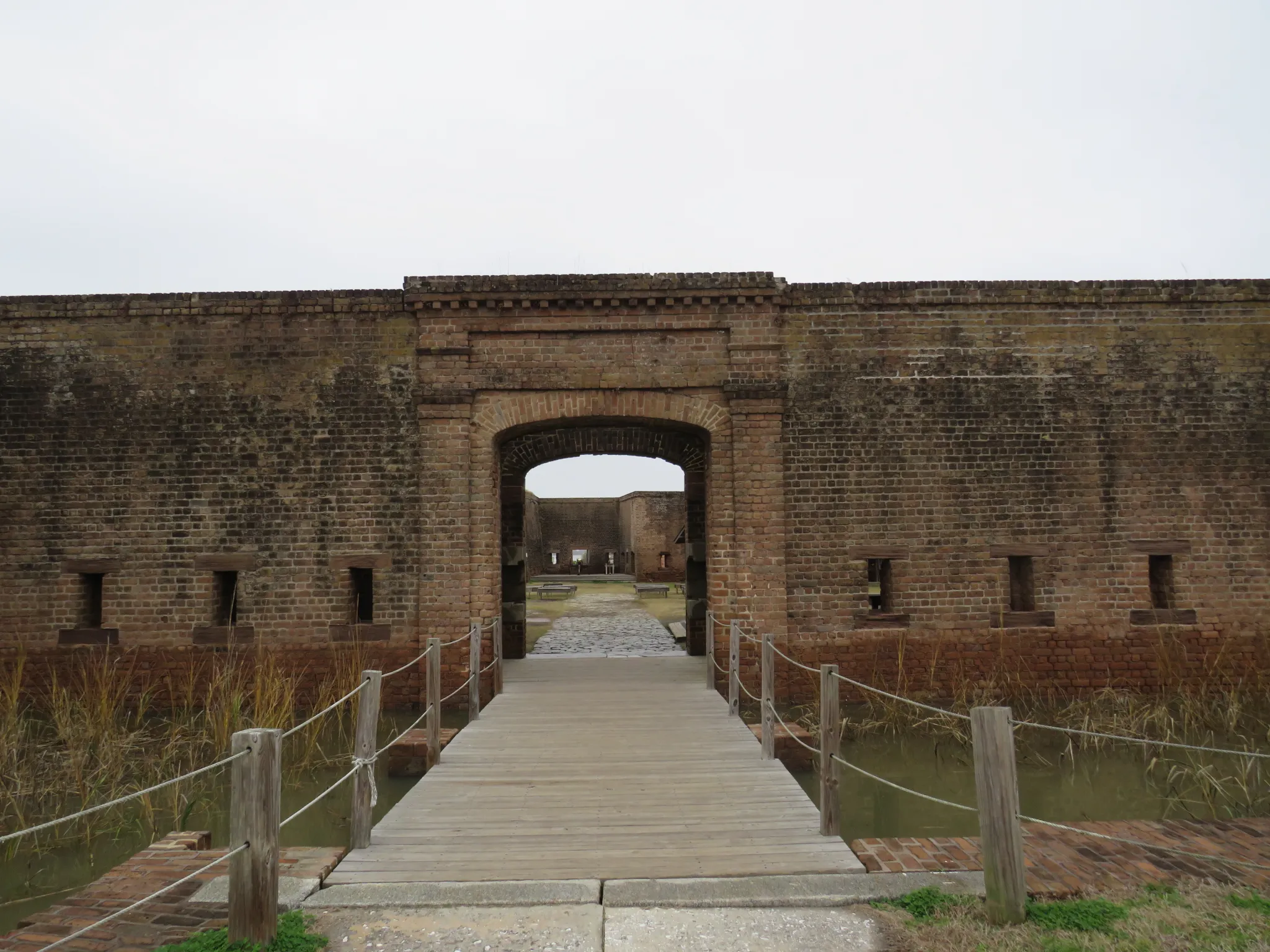
Frame your subjects through the weathered stone archways located near the entrance of the fort to create natural leading lines. This spot is popular for those seeking a balance of historical structure and coastal scenery in their horseback riding antigua volcano tours.

Coastal Equestrian Path

Coastal Equestrian Path

Best light · 09:00

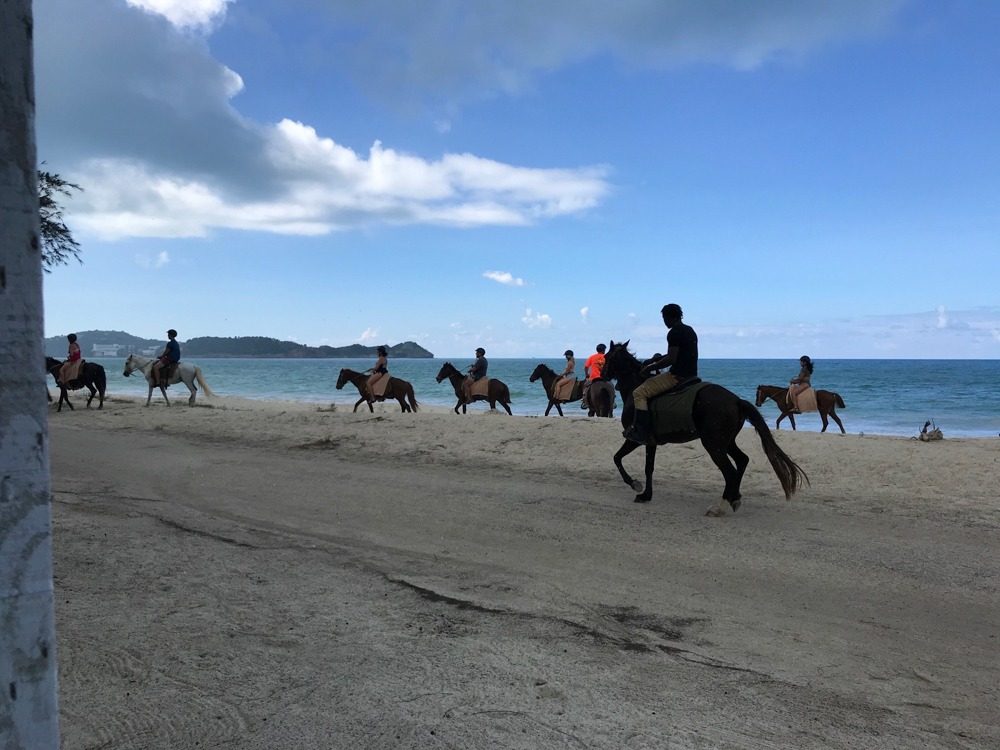
Find a stable position away from the main walkway to document groups traversing the coastal track, which is often included in various horseback riding antigua volcano tickets. The elevation here helps separate the horses from the tide line for a clearer view.

Gallery

Moments from Horseback Riding Antigua Volcano

With kids

Visiting Horseback Riding Antigua Volcano with kids

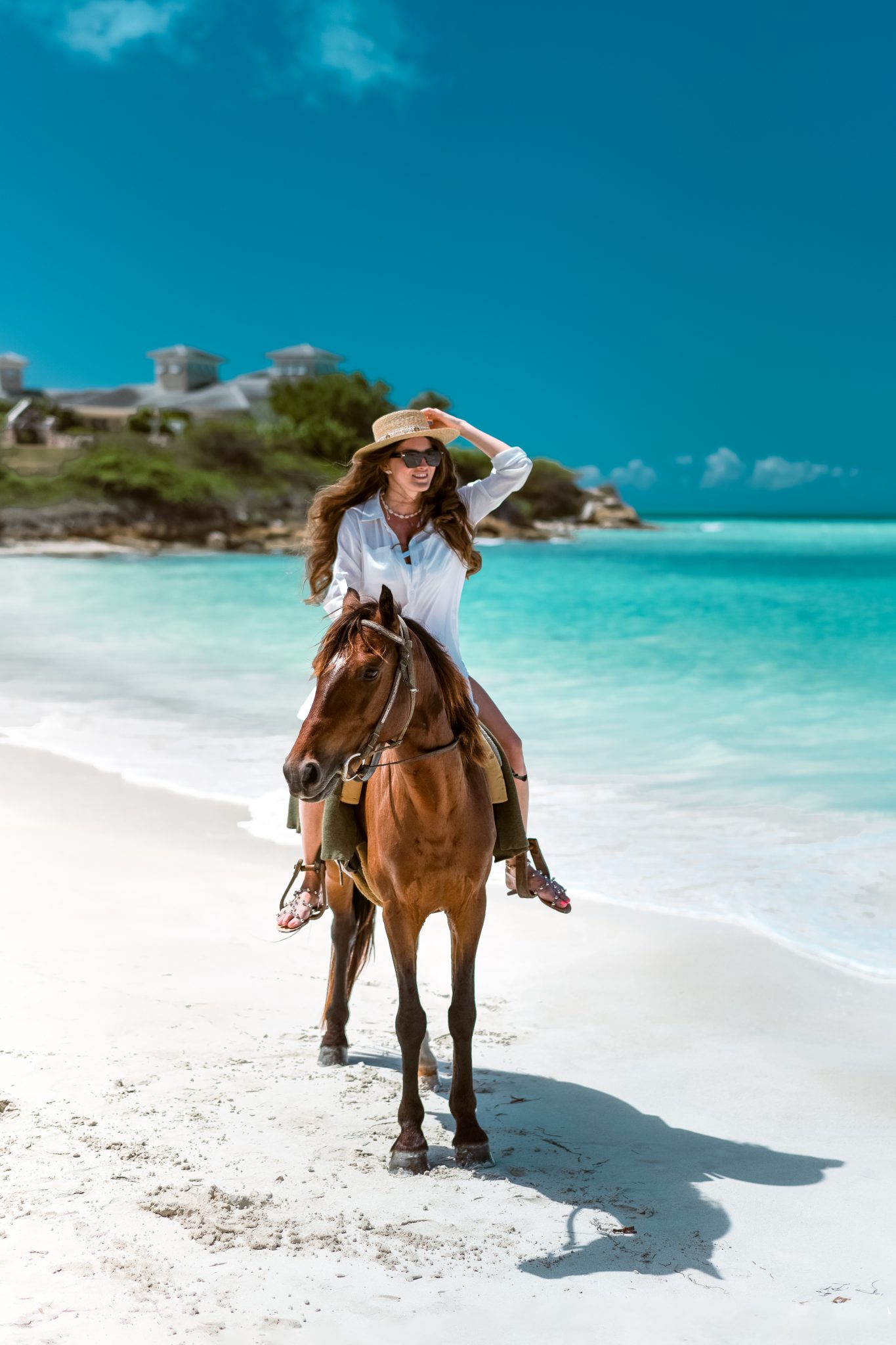
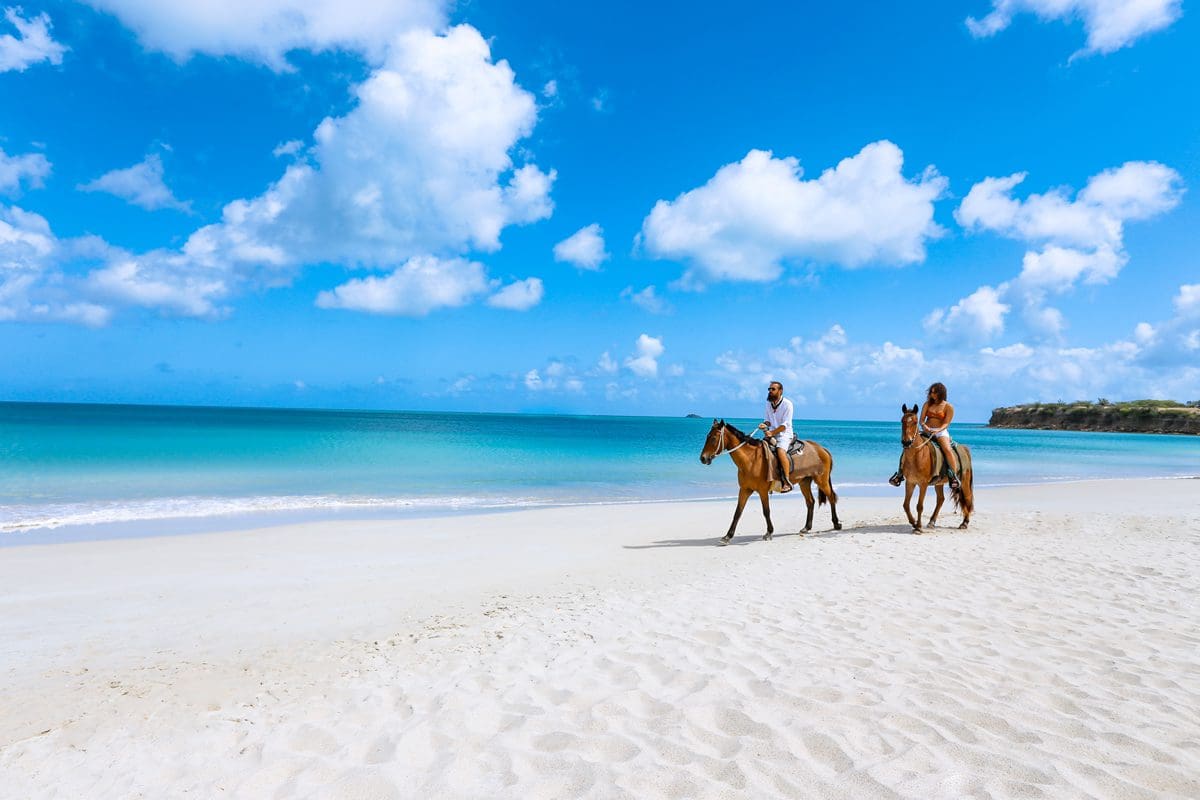
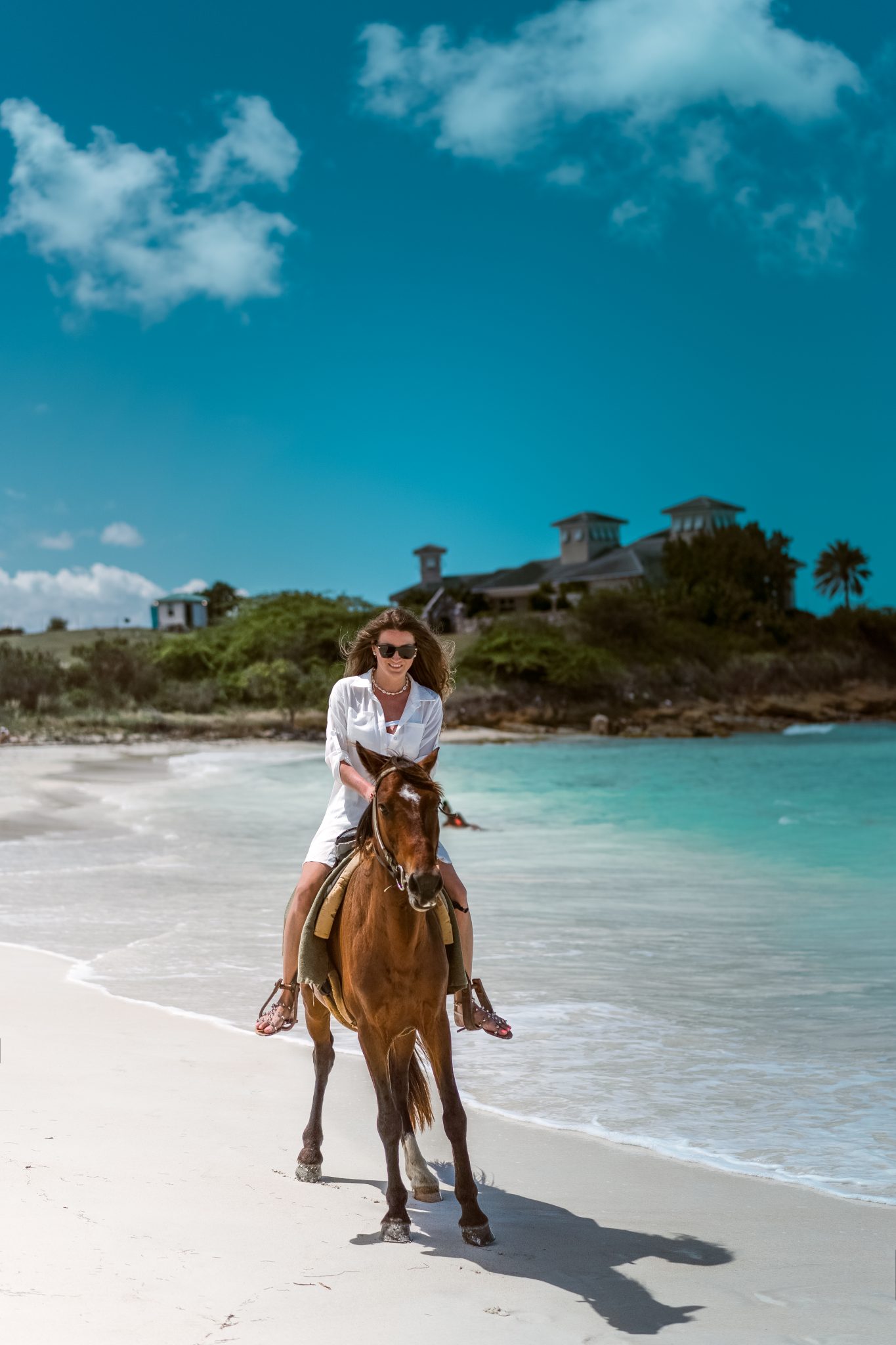
Exploring the coastline while horseback riding antigua volcano provides a gentle way for families to experience the island, though it is important to distinguish beach rides from inland mountain trails. While the sandy paths remain flat, these horseback riding antigua volcano tours require advance booking for those seeking volcanic terrain.

Strollers

The sandy beach environment makes traditional strollers difficult to maneuver near the shore, so carriers are better for infants. Use the Fort James Beach boardwalk area if you need a smoother surface for younger children

Best ages

Children aged six and older typically handle the beach riding experience best, while inland horseback riding antigua volcano tickets often have higher age minimums for safety on steep terrain

Facilities

There are no public changing stations or dedicated baby facilities directly on the beach, so plan to bring necessary supplies in a waterproof bag. The site offers free entry to the beach and historical fort ruins for a quick walk before your scheduled horseback riding antigua volcano tour

Pacing

Aim to arrive between 08:00–11:00 to ensure your family avoids the peak sun intensity and the arrival of larger cruise ship groups. This arrival window keeps your morning active before the midday heat settles in across the island landscape

Rainy-day plan

The site remains open daily from 00:00–23:59, but light rain showers can make the riding paths slick and uneven. If inclement weather occurs, contact your operator to confirm if your inland excursion or beach ride will proceed as planned

Food & drink

Dining Near Horseback Riding Antigua Volcano Departure Points

Visitors planning a trip near horseback riding antigua volcano will find several casual dining options directly on the sand. These seaside spots provide convenient access to local refreshments after completing your horseback riding antigua volcano tours.

Russell's Bar & Seafood Restaurant

$20-40

Bistro — 2 min walk

This venue offers a refined atmosphere with ocean views, perfect for a relaxed meal. It is a preferred location for those finishing an inland horseback riding antigua volcano tour before heading back to the city.

Beach Limerz

$15-30

Casual Grill — 1 min walk

Located directly on the beach, this spot is ideal for quick Caribbean-style snacks and cold drinks. Travelers often secure their horseback riding antigua volcano tickets online before meeting here for a post-ride lunch.

Le Bistro

$30-60

French Fusion — 5 min walk

A short stroll from the shore, this establishment serves high-quality cuisine in a quiet setting. It provides a distinct change of pace from the coastal landmarks frequented by equestrian groups.

FAQ

Horseback Riding Antigua Volcano — frequently asked questions

Everything you need to know for your journey

Around the corner

More to see near Horseback Riding Antigua Volcano

Fort James

Fort James

5 min walk

landmark

A 17th-century fortification guarding the entrance to St. John's harbor.

Where to stay

Where to stay near Horseback Riding Antigua Volcano

Royal Antiguan

Royal Antiguan

5 min drive

luxury

Seaside resort with extensive amenities.

Ready for Adventure?

Join thousands of happy travelers who have discovered this incredible experience

Book Your Experience Now